
Why Nostalgia is the Secret Ingredient for Your Brand’s Viral Marketing Strategy
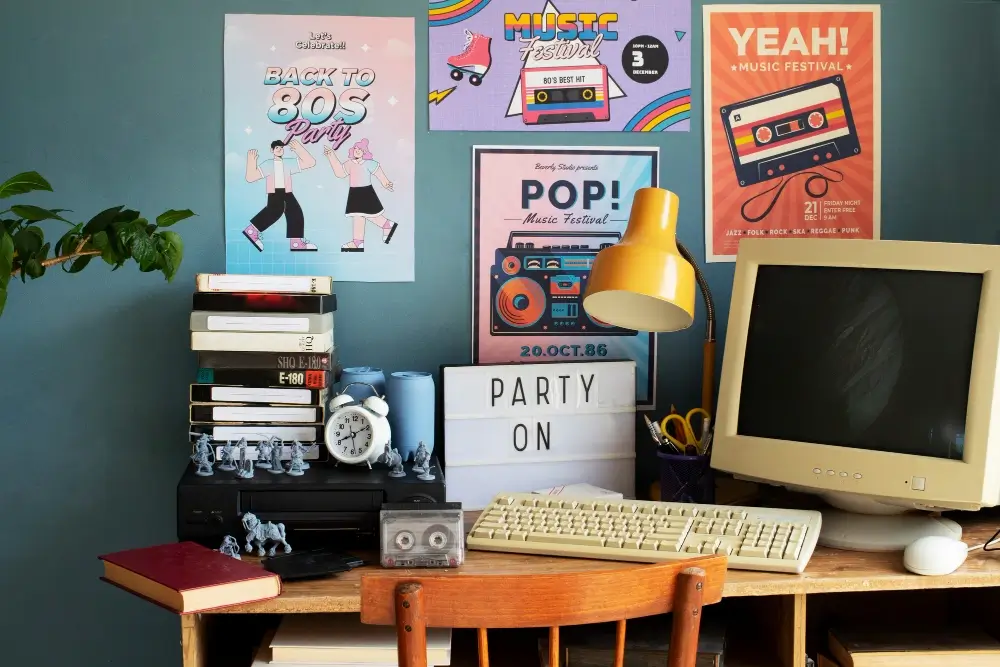
A surprising trend is quietly reshaping how brands connect with audiences: nostalgia marketing. This strategy is rapidly gaining popularity as businesses tap into consumers’ longing for the “good old days” to create powerful emotional bonds. From retro fashion and vintage tech to 90s-style packaging and throwback jingles, brands are turning to the past to make their viral marketing campaigns more relatable and memorable.
The Emotional Power of Nostalgia
Why does nostalgia work so well in marketing?
It evokes positive feelings, reminding people of simpler times, childhood comfort, or cultural moments they love. Psychologically, it provides a sense of stability in an unpredictable world. When everything feels uncertain, the familiar past feels safe, and that’s exactly what makes nostalgic content so powerful for viral marketing. This emotional trigger makes audiences more likely to trust and connect with a brand.
Appeal Across Generations
Contrary to what some might think, it isn’t just for older audiences. Gen Z, the youngest generation of consumers, is one of the most nostalgia-driven demographics. Despite being digital natives, Gen Zers are increasingly drawn to the aesthetics and culture of the 1990s and early 2000s—a period they didn’t experience firsthand. This fascination is evident in their embrace of Y2K fashion, vinyl records, and flip phones.
It offers them a sense of identity, style, and culture that feels vintage and refreshing. Nostalgia becomes a form of self-expression and a bridge between generations.
Successful Nostalgia Marketing Campaigns
The most compelling evidence of its impact is found in industries that thrive on aesthetics and emotional storytelling, specifically fashion and technology. These industries rely heavily on throwbacks, reintroducing iconic products and styles from the past to spark consumer excitement, drive conversions, and go viral.
- Fashion Industry
Fashion has always cycled through trends, but the 2000s resurgence is hitting harder than ever. Remember low-rise jeans, butterfly clips, and baby tees? They’re back.
Fashion houses are reissuing their most iconic designs to tap into consumers’ emotional connections with what they wore or wished they had worn back then. This drives social media shares, as people love to flaunt retro-inspired outfits that blend vintage vibes with contemporary cool - Technology Sector
Brands are reviving retro gadgets like the Motorola Razr and iPod, blending their classic look with modern capabilities. They’re becoming a cultural statement. They become stylish relics that appeal to younger generations seeking authenticity and older consumers craving a piece of their past. In both cases, the emotional appeal makes these product revivals prime candidates for viral marketing campaigns.
Strategies for Implementing Nostalgia in Marketing
To effectively leverage it in your brand’s messaging, you must go beyond referencing the past and make it resonate today.
Key nostalgic marketing elements include:
- Using retro aesthetics such as vintage color palettes, fonts, and visuals that harken back to a specific era.
- A familiar tune, jingle, or tagline that instantly transports audiences back in time.
- Vintage packaging and product designs that evoke memories and boost collectibility.
But above all, authenticity is critical. Nostalgia is a balance between old and new. Done right, it can elevate your brand’s identity and drive highly shareable viral marketing moments.
Potential Pitfall
While nostalgia can be powerful, relying on it too heavily can backfire. If your brand constantly looks backward, it may fail to innovate. Only use this strategy if it is relevant to your target market. Always consider whether the reference will resonate and serve a clear purpose in your campaign.
Conclusion
In an age where attention is short and trends change fast, nostalgia offers something timeless—emotion. But to use it as a viral marketing strategy, you must reimagine it for today. When executed with authenticity and relevance, the future of viral marketing just might begin with a feeling from the past.
Ensemble Digital Media can do just that! We empower brands by pushing the boundaries of creativity in digital marketing.
Key Takeaways
- Nostalgia taps into positive emotions between brands and consumers.
- Both older and younger generations respond to nostalgic content.
- By evoking cherished memories, brands can increase customer loyalty and trust.
- Successful nostalgia marketing requires a balance between past elements and contemporary relevance.
- While effective, over-reliance on nostalgia can hinder innovation and alienate certain audience segments.
References
- Balashova, A. (2024, July 15). Nostalgia marketing: How to turn memories into profits. Selzy Blog. https://selzy.com/en/blog/nostalgia-marketing/
- Clifton, J. (2024, October 22). From Razr phones to iPods, retro tech is the new fashion statement. Vogue Business. https://www.voguebusiness.com/story/technology/from-razr-phones-to-ipods-retro-tech-is-the-new-fashion-statement/
- Francombe, A. (2025, April 22). Why fashion can’t stop reissuing its 2000s-era hits. Vogue Business. https://www.voguebusiness.com/story/fashion/why-fashion-cant-stop-reissuing-its-2000s-hits
- Meliana, P. (2025, March 14). Why Gen Z loves nostalgia marketing. ContentGrip. https://www.contentgrip.com/nostalgia-marketing-to-gen-z/
- Slyman, N. (2024, November 14). How Nostalgia Marketing is Driving Modern Campaigns (and Why It Works). Benchmark Email. https://www.benchmarkemail.com/blog/nostalgia-marketing/