
From Values To Visibility: Green Marketing Done Right

“Green.”
It’s on shampoo bottles, real estate brochures, tech ads, coffee cups, and even luxury packaging. The word floats everywhere, light as a leaf in the wind. But here’s the real question: does it mean anything?
Consumers are not just buying products. They are buying values. They want to know where something came from, how it was made, and what kind of footprint it leaves behind. Sustainability is no longer a side note. It is part of the main story.
And in this kind of advocacy, how can your brand market itself right?
What is Green Marketing?
Green marketing is the promotion of products, services, or business practices that are genuinely environmentally responsible. This includes everything from using sustainable materials and reducing waste to supporting renewable energy and fair labor practices. It shows consumers that a company’s values align with its actions, serving as a bridge between purpose and visibility.
As environmental concerns grow, more companies are turning to green marketing to connect with eco-conscious customers. But there’s a catch: vague or exaggerated claims—sometimes called “greenwashing”—can quickly destroy trust. Consumers want proof. They look for brands that back up their sustainability promises with real action. Honest messaging in marketing not only builds credibility but also positions brands as responsible, forward-thinking leaders in their industries (Emeritus, 2022).
The Role of Ethical Brands
Ethical brands care about social responsibility, the environment, and making sure their products are sourced and made the right way. Their marketing reflects this, focusing on honesty, fair labor, and eco-friendly practices. Consumers notice this kind of authenticity and are drawn to brands that have a clear purpose.
Take Patagonia, for example. They’ve built their reputation on environmental activism and sustainable manufacturing. Their campaigns don’t just promote products—they show how to repair, recycle, and reduce waste. By walking the talk, Patagonia has earned a loyal following and become a benchmark for ethical brands.
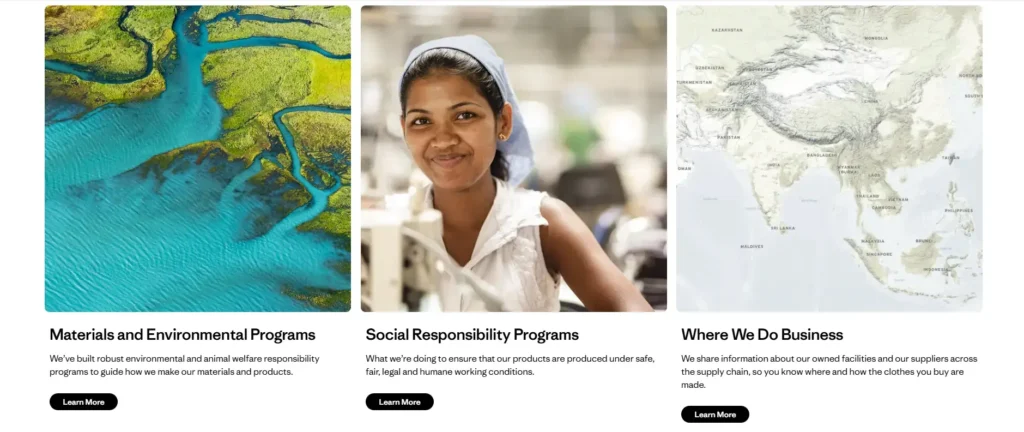
When more companies embrace ethical practices, it raises the bar across entire industries. Ethical branding not only builds trust and loyalty but also helps shift the market toward more sustainable, responsible consumption. In this way, green marketing becomes a key part of how businesses lead with purpose.
Improve your content by aligning it with your brand’s persona and audience’s preferences. Learn now!
Turning Sustainability Value Into Digital Strategy
Successful campaigns are simple, honest, and easy to understand. To make your green initiatives stand out, tell a story:
- Share the journey behind your eco-friendly product or initiative.
- Show before-and-after stats, infographics, or videos.
- Highlight certifications or awards from trusted environmental organizations.
- Invite customers to participate in sustainability efforts or share their experiences.
- Keep eco-friendly claims clear and honest across all channels.
Transparency and authenticity are your best tools—when customers can see your commitment in action, they’re more likely to support your brand, share your story, and keep coming back (Nielsen, 2015).
Challenges in Green Marketing
Marketing your brand as eco-friendly sounds great—but it comes with some real challenges. One major issue is greenwashing, where claims of sustainability don’t match the actual practices. They promote “eco-friendly” cleaning products that still use harsh chemicals—consumers spot inconsistencies fast. In fact, nearly 98% of products claiming to be green were found guilty of greenwashing (TerraChoice, 2010).
The key is authenticity. For instance, a coffee brand might showcase its fair-trade partnerships, or a furniture company could highlight its use of reclaimed wood. This helps customers see that your green promises are real.
Green marketing is a bridge between what your brand believes and what your audience sees. Done right, it goes beyond labels and slogans, showing that sustainability is baked into your actions, decisions, and brand story.
Ready to turn your sustainability commitments into impactful digital messaging? Ensemble Digital Media specializes in creating strategies to adapt to trends, helping businesses thrive and stay relevant.
FAQs
Yes, but it’s not a shortcut. Green marketing works best when it builds trust first, which then influences buying decisions over time. Customers are more likely to support brands they perceive as responsible, especially when the messaging is backed by real action.
Yes, but the level of concern varies depending on price, category, and personal values. Many consumers consider sustainability as a deciding factor when products are similar in quality and price. Others use it as a tie-breaker between brands.
Greenwashing is when a brand exaggerates or falsely claims environmental responsibility to appear more eco-friendly than it really is. This can include vague terms like “eco-conscious” without proof or hiding harmful practices behind selective messaging. It’s one of the biggest risks in sustainability marketing because it damages trust quickly and can harm the reputation of even well-intentioned businesses.
No, it’s actually more flexible for small and medium-sized businesses. Smaller brands can implement changes faster and communicate them more personally. They often have closer relationships with their customers, which makes transparency easier. This is why many ethical brands start small but build strong loyalty by being consistent and honest from the beginning.
Certifications provide third-party validation that supports environmental claims. They help reduce skepticism by proving that a product or process meets specific sustainability standards. While not mandatory, certifications enhance credibility, especially in competitive markets where customers are wary of false claims.
Start building trust, loyalty, and a stronger brand today with authentic green marketing strategies.
Key Takeaways
- Green marketing is becoming increasingly important as environmental concerns influence both business strategy and consumer behavior.
- Companies are integrating eco-friendly practices into core operations to meet rising sustainability expectations.
- A large portion of consumers (66%) are willing to pay more for products from socially and environmentally responsible brands, highlighting the value of effective sustainability communication.
- Green marketing creates opportunities for innovation, differentiation, cost savings through eco-efficiency, and stronger stakeholder relationships.
- Ultimately, businesses that commit to authentic sustainability gain a competitive advantage, deeper consumer loyalty, and contribute to a more responsible global economy.
References
Kumar, A., & Chugh, S. (2022, December 9). Green Marketing: What it is and Why Customers Love it. Emeritus Online Courses. https://emeritus.org/blog/sales-and-marketing-green-marketing/
Nielsen. (2015, October 12). The sustainability imperative. NielsenIQ. https://nielseniq.com/global/en/insights/analysis/2015/the-sustainability-imperative-2/
TerraChoice. (2010). TERRACHOICE 2010 SINS OF GREENWASHING STUDY FINDS MISLEADING GREEN CLAIMS ON 95 PER CENT OF HOME AND FAMILY PRODUCTS. Www.prnewswire.com. https://www.prnewswire.com/news-releases/terrachoice-2010-sins-of-greenwashing-study-finds-misleading-green-claims-on-95-per-cent-of-home-and-family-products-105757733.html