
Using the Psychology of Digital Advertising to Influence Buyer Decisions
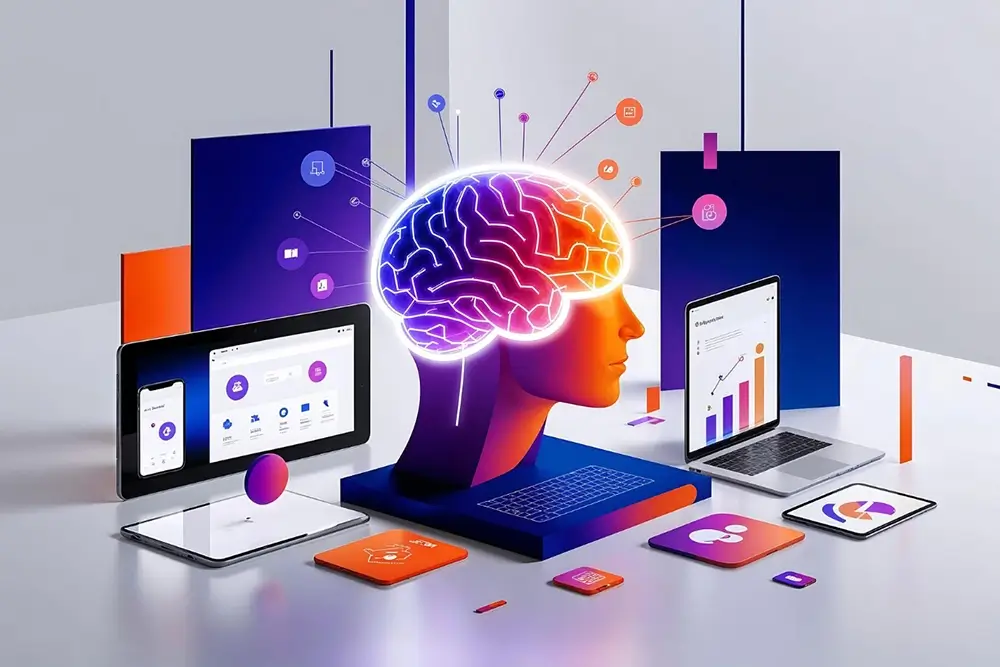
Ever wonder why certain ads make you stop scrolling? Why do you suddenly need that air fryer, software subscription, or anti-aging serum?
That’s not luck. It’s the power of the psychology of digital advertising.
Behind every high-performing ad is someone who understands how the human brain works online. When you tap into consumer psychology in marketing, you’re not just throwing content into the void—you’re starting a conversation that leads to a click, a sign-up, or a sale.
In this article, we’ll break down how digital ads actually work on people, using real psychological principles and behavioral marketing strategies that make your campaigns way more effective and human.
Foundations of Consumer Psychology in Marketing
Let’s start with what’s driving people to pay attention and act.
1. Motivation and Needs
Maslow’s Hierarchy of Needs, from basic survival to self-actualization, also applies online. A food delivery app? That’s convenience (basic need). A luxury skincare brand? That’s confidence and self-esteem (higher need). Your ad needs to resonate with where someone is on that career ladder.
2. Perception and Attention
To stand out in a sea of endless scrolling, use unexpected visuals. Speak directly to your audience’s pain points because people pay attention when they feel seen. Such small tweaks in visuals and phrasing can dramatically increase engagement.
3. Cognitive Biases in Action
Humans don’t make decisions logically; we rely on mental shortcuts. Biases like confirmation bias (seeking info that supports beliefs) or loss aversion (fear of missing out) heavily influence online choices.
For example: Instead of saying “Save $20,” try “Don’t miss your $20 savings.”
Small shift, big difference. That’s consumer psychology in marketing.
Behavioral Marketing Strategies
Once you understand how people think, you can use specific tactics to guide their actions. These behavioral marketing strategies are proven to work:
- Social Proof
No one wants to be the first to try something new, unless they know 500 other people have done it already. Reviews, testimonials, “Over 1M served” badges… These all tap into our natural need to follow the crowd. - Scarcity and Urgency
We’re wired to respond to deadlines and exclusivity. If it feels scarce, it feels valuable, and we move fast.
Samples include:
“Only 2 left.”
“Offer ends in 3 hours.” - Reciprocity
Give something first. Free trials, downloadable guides, or gifts often make users feel obligated to give back, typically by signing up or making a purchase. - Anchoring
When you show a “Compare at $99, now $49” offer, $99 becomes the mental anchor. The new price feels like a better deal.
Crafting Persuasive Digital Ads
All the psychology of digital advertising in the world won’t save a boring ad. You’ve got to connect the dots between emotion, design, and delivery.
1. Personalization and Segmentation
We’re past the point where one-size-fits-all works. Target your messages. Use data (ethically) to speak directly to someone’s experience or interest.
2. Emotional Triggers
Good storytelling makes us feel. Is your ad tapping into joy? Relief? Fear of missing out? A moving image or just the right line can trigger the kind of emotional reaction that leads to action.
3. Color and Visual Psychology
Blue = trust.
Red = urgency.
Green = peace or growth.
The colors and layout in your ad send emotional cues before your copy is even read. Design psychology of digital advertising is real. If you want to learn more about it, read here.
4. Optimized Call-to-Actions (CTAs)
“Buy Now” might work, but “Start My Free Trial” or “See How It Works” might be even better. Make your CTA feel like the next logical step, not a big decision.
Testing and Measuring Impact
The psychology of digital advertising is only useful if it’s working. Learn where you can get your data:
1. A/B and Multivariate Testing
Test different headlines, colors, or CTAs to see which psychological trigger performs best.
2. Key Metrics
Monitor click-through rate (CTR), conversion rate, bounce rate, and time on site. These metrics reveal how your audience is responding to your content.
3. Behavioral Lens
Analyze why certain versions performed better. Did social proof increase conversions? Did urgency lead to more clicks?
Ethical Considerations
Influence shouldn’t cross the line into manipulation. Marketers have a responsibility to build trust, not trick people. It’s your job to make a strong case for why your product or service matters, not to manipulate people into acting against their best interest.
Be transparent. Be respectful. Ask for consent. Consumer psychology in marketing fosters trust, which keeps customers coming back.
Conclusion
When you understand consumer psychology in marketing, you stop guessing what might work and start designing campaigns that do work. By using behavioral marketing strategies rooted in real research, you can connect more deeply, persuade more effectively, and grow more confidently.
If you need help winning their hearts, Ensemble Digital Media is here to help.
Key Takeaways
- Map motivations and biases before planning campaigns.
- Social proof, scarcity, reciprocity, and anchoring reliably boost engagement.
- Tailored messages are a tactic of behavioral marketing strategies that resonate more deeply and drive higher conversions.
- Use A/B tests to validate which psychological levers work best.
- Pursue honest persuasion to foster lasting brand trust, rather than short-term manipulation.
References
- Cialdini, R. B. (2009). Influence: Science and practice (5th ed.). Pearson Education. Retrieved from https://www.pearson.com/us/higher-education/program/Cialdini-Influence-Science-and-Practice-5th-Edition/PGM285197.html
- HubSpot. (2021). 7 Brain Hacks to Make Your Marketing Effortlessly Effective. HubSpot Blog. https://blog.hubspot.com/marketing/psychology-marketing
- Kahneman, D. (2011). Thinking, fast and slow. Farrar, Straus and Giroux. https://us.macmillan.com/books/9780374533557
- Patel, N. (2018). 7 Cognitive Biases That Could Be Costing You More Sales. Neil Patel Blog. https://neilpatel.com/blog/cognitive-biases-marketing/