Long Live Mother: The Slang That Rewrote Online Admiration

The internet used to call women “icons.” Now, it calls them “mother.”
From TikTok edits to stan X meltdowns, phrases like “she is so mother” and “Long Live Mother” have become some of the biggest social media slang trends online. This internet humor evolved into a dramatic form of admiration tied to confidence, influence, and cultural impact.
Peeling back the internet slang meaning behind the phrase shows how it transformed into one of the most dramatic ways of expressing admiration for greatness, and why its roots matter more than its viral moment.
Don’t Take “Mother” Too Literally
First things first, the slang meaning of “mother” has nothing to do with literal motherhood or having children. Despite how it may sound online, it is not a family role, but a performance of energy, authority, and presence.
Calling someone “mother” is used for people who dominate a moment effortlessly, whether that moment is a red carpet appearance, a performance, or even a simple photo that somehow takes over an entire timeline.
Still, the term loosely connects to the emotional idea of a mother figure in a cultural sense. There is an instinctive recognition of confidence and emotional strength. That is why it feels familiar even when it is exaggerated.
And interestingly, real mothers can absolutely fall under this label, too. The internet sometimes uses “mother” to celebrate women who embody both everyday motherhood and personal power outside it. This is also why it sits comfortably within the broader space of slang for iconic women, where admiration is not limited to age, role, or status, but to how strongly someone is perceived in a cultural moment.
Why Do People Say “She’s Mother” Online?
The simplest answer to “why do people say ‘she’s mother’ online?” is that regular compliments stopped feeling powerful enough.
Online, “mother” slang meaning usually refers to women who radiate a certain kind of untouchable confidence. They feel commanding without appearing desperate for attention. They reinvent themselves constantly. They influence fashion, memes, music, or conversations without needing to explain their impact. The phrase has become one of the most recognizable forms of slang for iconic women online.
Part of the humor comes from the phrase’s dramatic intensity. Internet culture thrives on exaggeration. Social platforms reward loud reactions because they spread faster (Berger & Milkman, 2012).
The mother slang meaning online usually points to women who feel:
- effortlessly influential
- visually or culturally commanding
- consistently reinvention-driven
- emotionally or stylistically unforgettable
Celebrities like Beyoncé, Lady Gaga, and Zendaya often receive this label because their presence feels larger than a single moment. It goes beyond admiration and is a performance-based reverence shaped by internet culture.
However, this is not limited to celebrities.
The phrase is also increasingly used for everyday women online. A friend who shows up confidently at work, a woman who posts a self-assured photo after a long journey, or someone who handles life with visible strength and style can all be described as “mother” in internet slang.
Improve your content by aligning it with your brand’s persona and audience’s preferences. Learn now!
“Long Live Mother” Is Basically Digital Royalty Language
“Long Live Mother” takes the energy of stan culture and pushes it into full ceremonial mode. The phrase borrows from royal language like “long live the queen,” then reworks it for internet fandoms. A photoshoot, performance, or appearance can instantly become a historical event online.
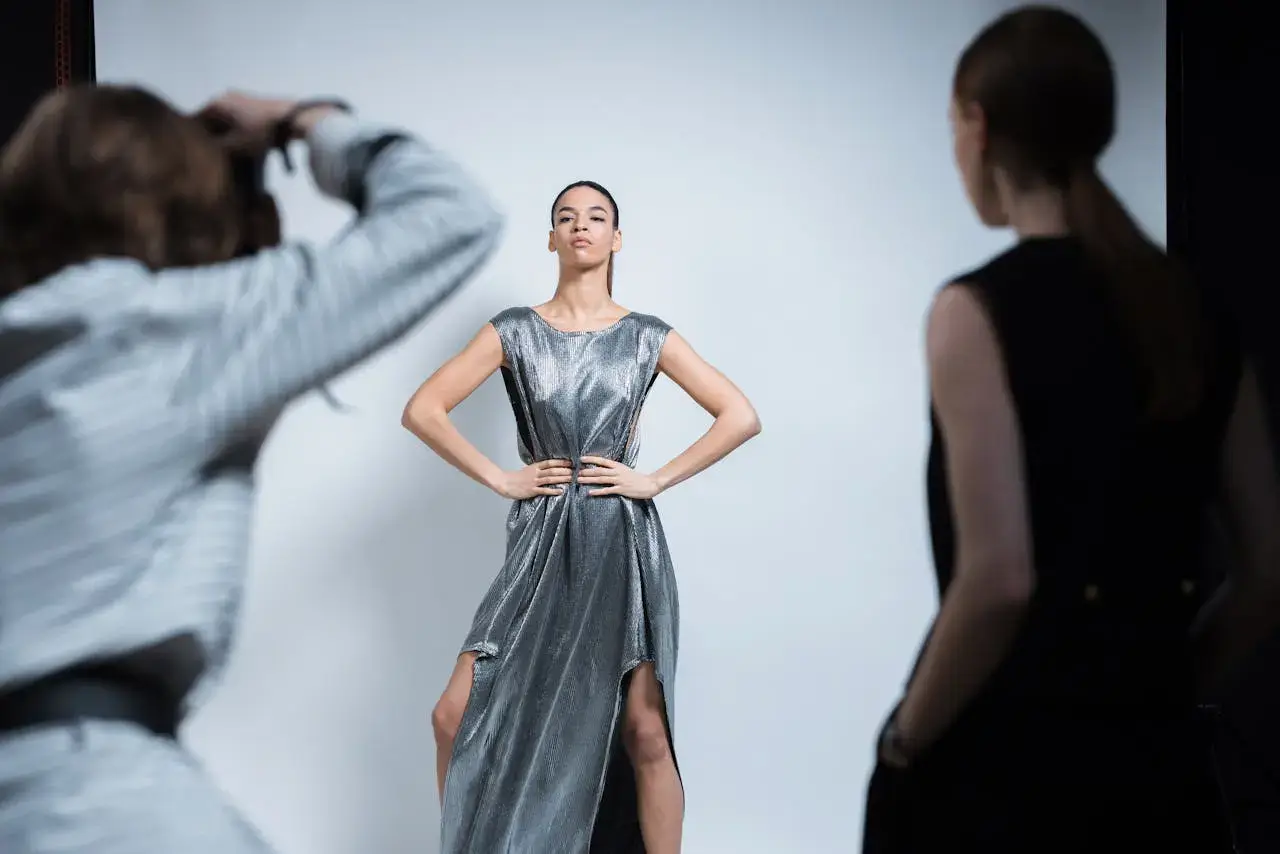
It is a collective celebration exaggerated into a spectacle.
Fans use it after:
- viral performances
- award show moments
- fashion week appearances
- surprise releases
Artists often trigger this response because their public moments already feel cinematic. The mother slang meaning works because everyone joins the same emotional performance at once.
The Feminine Power Fantasy of Being “Mother”
At a certain point, “mother” stopped being just a compliment and started functioning like a projection screen.
The same label can be applied to wildly different women for different reasons: one for softness paired with confidence, another for intensity and control, or another for reinvention after a long absence. The word stays the same, but the mother slang meaning shifts depending on who is watching.
Figures like Miranda Priestly from the film The Devil Wears Prada often get framed through this lens because they occupy culturally recognizable archetypes of authority and transformation. But the label itself says as much about audience perception as it does about the person being described.
In that sense, “mother” becomes less of an identity and more of a cultural mirror. It reflects how the internet interprets femininity in moments of visibility and how quickly admiration can become symbolic once it enters a shared digital space (Hooks, 2000).
Before TikTok, “Mother” Already Existed in Queer Culture
Like many social media slang trends, the internet did not invent “mother.” It was borrowed, amplified, and launched into algorithm heaven.
The roots of the mother slang meaning trace back to Black and Latino ballroom culture in the 1970s and 1980s. Within ballroom communities, “houses” functioned as chosen families for LGBTQ+ individuals, especially young people rejected by their biological relatives. These houses often had leaders called “mothers” or “fathers,” who guided members emotionally, creatively, and socially. Ballroom culture created spaces where identity and performance became forms of resistance and self-expression (Bailey, 2013).
This culture became widely known through Paris Is Burning, a documentary that captured New York City’s ballroom scene and introduced mainstream audiences to the language, fashion, and survival systems within the community (Livingston, 1990).
House mothers were respected figures who created stability in environments where many people had none. Terms like “serving,” “slay,” “shade,” and “reading” followed similar paths into social media slang trends.
That history changes the entire internet slang meaning behind the word. The phrase may sound playful today, but its roots lie in real communities, struggles, and systems of care.
Yes, the internet may have modernized the term, but queer culture gave it its soul.
From Praise to Phenomenon
Some slang dies quietly. It gets its moment, overused into exhaustion, then disappears into internet archives beside old memes and forgotten TikTok sounds. But “mother” did something different. It expanded.
“Mother” moved from ballroom-rooted language into stan culture, then into mainstream social media, and eventually into everyday conversations where people use it for celebrities, creators, fictional characters, and even women in ordinary life who carry themselves with unmistakable confidence.
The internet keeps rewriting its vocabulary, but every so often, a phrase becomes something larger than language itself.
Long live mother.
FAQs
Yes, but it’s not a shortcut. Green marketing works best when it builds trust first, which then influences buying decisions over time. Customers are more likely to support brands they perceive as responsible, especially when the messaging is backed by real action.
Yes, but the level of concern varies depending on price, category, and personal values. Many consumers consider sustainability as a deciding factor when products are similar in quality and price. Others use it as a tie-breaker between brands.
Greenwashing is when a brand exaggerates or falsely claims environmental responsibility to appear more eco-friendly than it really is. This can include vague terms like “eco-conscious” without proof or hiding harmful practices behind selective messaging. It’s one of the biggest risks in sustainability marketing because it damages trust quickly and can harm the reputation of even well-intentioned businesses.
No, it’s actually more flexible for small and medium-sized businesses. Smaller brands can implement changes faster and communicate them more personally. They often have closer relationships with their customers, which makes transparency easier. This is why many ethical brands start small but build strong loyalty by being consistent and honest from the beginning.
Certifications provide third-party validation that supports environmental claims. They help reduce skepticism by proving that a product or process meets specific sustainability standards. While not mandatory, certifications enhance credibility, especially in competitive markets where customers are wary of false claims.
Stay updated with trends! Ensemble Digital Media crafts culturally driven, SEO-optimized content and creative strategies that turn brands into conversations people actually want to join.
Key Takeaways
- “Mother” started as a niche cultural expression and evolved into a mainstream internet slang meaning that now signals admiration, presence, and influence across social media.
- The mother slang reflects confidence, authority, and cultural impact.
- Its roots trace back to ballroom culture and queer communities, where “mother” originally referred to leadership, care, and chosen family structures.
- The phrase became one of the most recognizable forms of slang for iconic women, used for celebrities, creators, fictional characters, and even everyday women who embody confidence and presence.
- “She’s mother” and “Long Live Mother” are products of social media slang trends, where exaggeration and emotional intensity are used to amplify admiration.
References
Bailey, M. M. (2013). Butch queens up in pumps: Gender, performance, and ballroom culture in Detroit. University of Michigan Press. https://www.press.umich.edu/169828/butch_queens_up_in_pumps
Berger, J., & Milkman, K. L. (2012). What makes online content viral? Journal of Marketing Research, 49(2), 192–205. https://doi.org/10.1509/jmr.10.0353
hooks, b. (2000). Feminism is for everybody: Passionate politics. South End Press. https://www.routledge.com/Feminism-is-for-Everybody-Passionate-Politics/hooks/p/book/9780896086289
Livingston, J. (Director). (1990). Paris Is Burning [Film]. Miramax. https://www.miramax.com/movie/paris-is-burning/