
Malcolm X Day Content Ideas for Social Media
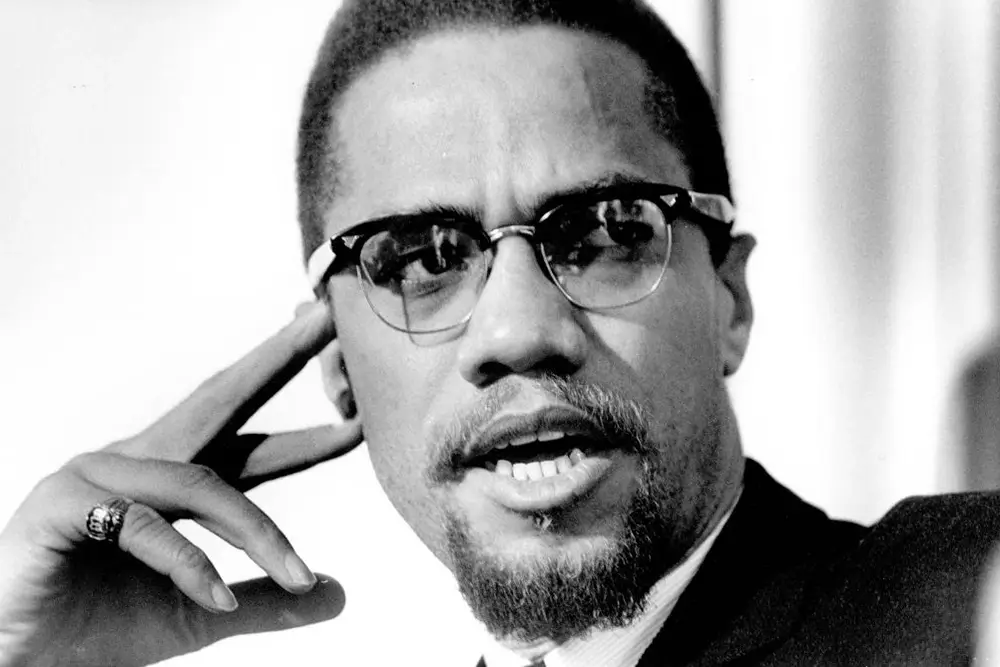
Brands should not treat Malcolm X Day as just another date to acknowledge online. It is a meaningful opportunity to participate in a larger conversation about justice, identity, courage, education, and social change. Posting this kind of content should feel intentional, not performative. A respectful brand approach starts with learning, then sharing content that is accurate, thoughtful, and relevant to the audience.
Who Was Malcolm X?
Malcolm X was born Malcolm Little in Omaha, Nebraska, in 1925. His early life was shaped by racism, family hardship, time in the foster system, and imprisonment before he joined the Nation of Islam and later became one of its most visible public voices (National Archives, 2020). He spoke nationally and internationally with a strong focus on empowering Black people.
Malcolm X became known as a minister, speaker, organizer, human rights activist, and civil rights figure. His message centered on Black empowerment, dignity, self-respect, and resistance to racial injustice. The Smithsonian’s National Museum of African American History and Culture describes him as a transformative leader whose legacy remains strongly connected to Black identity and empowerment (NMAAHC, n.d.).
Brands should not treat the day as a simple quote-card opportunity or a generic awareness post. A stronger educational content strategy provides audiences with context for his life, work, message, and legacy. For brands asking how to post on Malcolm X Day, the best approach is to teach first, keep the message respectful, and create social media ideas that help people learn something meaningful.
Malcolm X Day Content Ideas for Brands and Organizations
Good Malcolm X Day content ideas should teach, honor, and guide people toward deeper learning. Don’t be the brand that’s socially aware for one day. Be the brand that uses its platform with consistency, care, and purpose to keep meaningful conversations alive beyond the celebration.
Here are practical social media ideas for Malcolm X Day that brands and organizations can use.
Educational Timeline Carousel
Create a simple carousel that shows key moments in Malcolm X’s life. Keep each slide short and easy to read.
Possible slide flow:
- Slide 1: Malcolm X was born Malcolm Little on May 19, 1925, in Omaha, Nebraska.
- Slide 2: His parents, Earl Little and Louise Norton Little, were connected to Marcus Garvey’s Universal Negro Improvement Association.
- Slide 3: He later became a national public figure through his speeches, organizing, and advocacy.
- Slide 4: After leaving the Nation of Islam, he continued speaking about race, justice, and human rights before his assassination in 1965 (National Archives, 2020).
- Slide 5: Malcolm X Day is a time to learn, reflect, and understand his impact.
Keep the design clean. Avoid overbranding. Add sources in the caption so the post is deemed accurate.
Malcolm X Day Learning Guide
A strong Malcolm X Day post should give audiences a clear context and encourage deeper learning. Brands can start with a simple explainer that explains the day’s meaning and why Malcolm X’s legacy remains relevant.
For example:
“Malcolm X Day is a time to reflect on the life and legacy of Malcolm X, also known as El-Hajj Malik El-Shabazz. His work continues to shape conversations about justice, identity, dignity, and human rights.”
This can be followed by a short list of credible learning resources, such as museum articles, public library collections, National Archives materials, university resources, reputable documentaries, books, and biographies. A resource list works well because it helps audiences continue learning beyond a single post. The branding should be minimal, and the message should feel like a helpful guide, not a campaign ad (Content Marketing Institute, n.d.; Google Search Central, n.d.).
Quote With Context
Many brands post quotes, but they can feel empty when used without context. If a brand uses Malcolm X’s words, it should explain where the quote came from, what it means, and why it matters.
Community Spotlight
Brands and organizations can highlight local educators, historians, libraries, cultural centers, schools, or community groups hosting Malcolm X Day programs.
This works best when the brand has a real connection to the community. It also shifts attention away from the brand and toward people doing meaningful educational work. This is a stronger form of cultural marketing content because it supports learning instead of using the day for brand attention.
Internal Learning Post
For company pages, an internal learning post can be simple and respectful.
Companies can observe Malcolm X Day by using their platform to remind their audience why his impact on civil rights, Black identity, dignity, justice, and human rights conversations still matters. The post does not need to overclaim or turn the moment into a brand campaign. It can simply show that the company values awareness, inclusivity, and respect for communities whose stories continue to shape today’s conversations.
This is useful for companies that want to acknowledge Malcolm X Day thoughtfully while keeping the message educational, balanced, and aligned with responsible brand communication.
What Brands Should Avoid When Posting on Malcolm X Day
Some brands should not post on Malcolm X Day at all. That may sound harsh, but it is true. If the brand has no understanding, no source, no connection, and no plan, silence may be better than shallow content.
Here are the biggest mistakes to avoid.
Do Not Use Malcolm X Day to Sell
No promo codes. No “in honor of Malcolm X Day, shop now.” No product push. That turns a historical awareness day into a sales tool. It looks careless.
Do Not Use Quotes Without Context
Malcolm X’s words came from specific moments, experiences, and political realities. Pulling one line for aesthetic content is lazy and disrespectful. If you use a quote, explain it carefully.
Do Not Make the Brand the Hero
The day is not about your brand’s values statement. It is about history, learning, and respect. A brand can participate without centering itself.
Do Not Use Generic Diversity Language
Avoid vague lines like:
- “Today we celebrate equality.”
- “We honor diversity.”
- “Let’s spread love and unity.”
Those lines may sound safe, but they are too thin. Malcolm X’s legacy deserves more context than generic positivity.
Do Not Post Without Reviewing the Content
Have more than one person review the post. If possible, involve someone with cultural knowledge or subject-matter expertise. The value of incorporating diverse perspectives into the creative process lies in reducing blind spots before content goes public (Google, 2021).
Do Not Treat Criticism as an Attack
If someone corrects your post, listen. If the correction is valid, acknowledge it and update the content. Defensiveness makes the mistake worse.
Malcolm X Day content should make people think, learn, and reflect. A brand does not need to sound like a historian, but it does need to be responsible. Do the research. Use credible sources. Keep the tone respectful. Avoid sales. Avoid shallow quote posts. Give people context.
The strongest Malcolm X Day content does not try to take over the conversation. It helps people enter it with more awareness. When a brand chooses clarity over noise and education over empty visibility, the post becomes more than a tribute. It becomes a responsible use of influence.
Respectful cultural content starts with research, context, and the right message. Ensemble Digital Media can help brands build an educational content strategy that turns important awareness days into thoughtful, credible, and audience-focused social media content.
FAQs
Yes, but it’s not a shortcut. Green marketing works best when it builds trust first, which then influences buying decisions over time. Customers are more likely to support brands they perceive as responsible, especially when the messaging is backed by real action.
Yes, but the level of concern varies depending on price, category, and personal values. Many consumers consider sustainability as a deciding factor when products are similar in quality and price. Others use it as a tie-breaker between brands.
Greenwashing is when a brand exaggerates or falsely claims environmental responsibility to appear more eco-friendly than it really is. This can include vague terms like “eco-conscious” without proof or hiding harmful practices behind selective messaging. It’s one of the biggest risks in sustainability marketing because it damages trust quickly and can harm the reputation of even well-intentioned businesses.
No, it’s actually more flexible for small and medium-sized businesses. Smaller brands can implement changes faster and communicate them more personally. They often have closer relationships with their customers, which makes transparency easier. This is why many ethical brands start small but build strong loyalty by being consistent and honest from the beginning.
Certifications provide third-party validation that supports environmental claims. They help reduce skepticism by proving that a product or process meets specific sustainability standards. While not mandatory, certifications enhance credibility, especially in competitive markets where customers are wary of false claims.
Key Takeaways
- Strong Malcolm X Day content ideas should prioritize education and cultural awareness.
- Brands should understand who Malcolm X was before creating content around his life, message, or legacy.
- Respectful cultural marketing content should use credible sources, clear context, and a careful tone.
- The best social media ideas for Malcolm X Day include timeline carousels, resource lists, quote-with-context posts, community spotlights, and internal learning posts.
- Brands should avoid sales messages, promo codes, trend-jacking, generic diversity language, and overbranded content.
- A strong educational content strategy gives historical topics room to breathe before, during, and after the awareness day.
- For brands asking how brands can post on Malcolm X Day, the best rule is simple: teach first, center the history, and promote less.
- Meaningful social media campaign ideas should inform instead of exploit.
References
Content Marketing Institute. (n.d.). What is content marketing? https://contentmarketinginstitute.com/what-is-content-marketing
Google. (2021, June 17). All In: Our inclusive marketing toolkit. https://blog.google/company-news/outreach-and-initiatives/diversity/inclusive-marketing-toolkit/
Google Search Central. (n.d.). Creating helpful, reliable, people-first content. Google for Developers. https://developers.google.com/search/docs/fundamentals/creating-helpful-content
National Archives. (2020, August 25). Malcolm X: May 19, 1925–February 21, 1965. https://www.archives.gov/research/african-americans/individuals/malcolm-x
National Day Calendar. (n.d.). Malcolm X Day. https://nationaldaycalendar.com/celebrations/malcolm-x-day-third-friday-in-may
Smithsonian National Museum of African American History and Culture. (n.d.). Who was Malcolm X? https://nmaahc.si.edu/explore/stories/malcolm-x